Archaeological Research
14. Adulis Burial
1. Plan of Adulis Burial
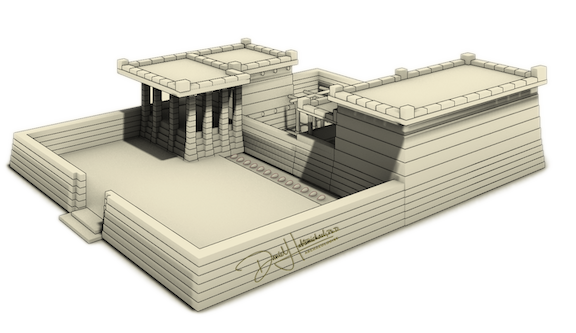
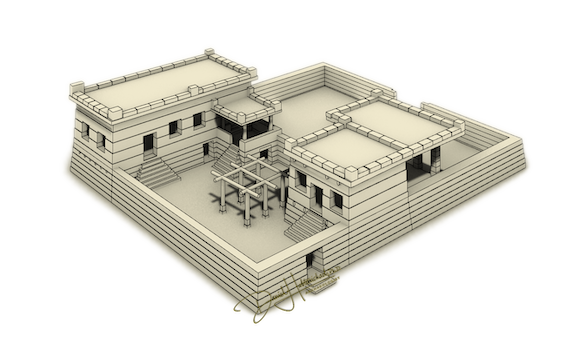
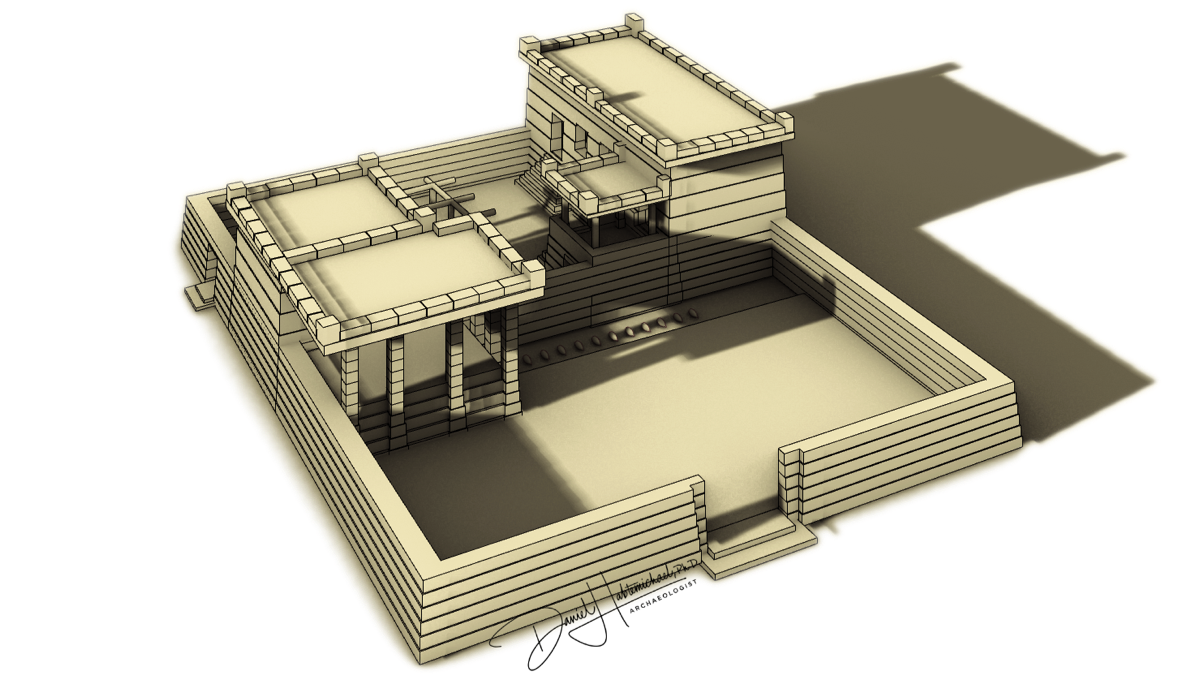
Adulis Burial (Building14) is a large rectangle, 38.52 m by 30.52, divided into two by a central wall. The northern part has rectangular structures, 4 of them on the living floor and base floor. However, rather than being used as living space, the southern part as some sort of grave or ceremonial site or shrine.
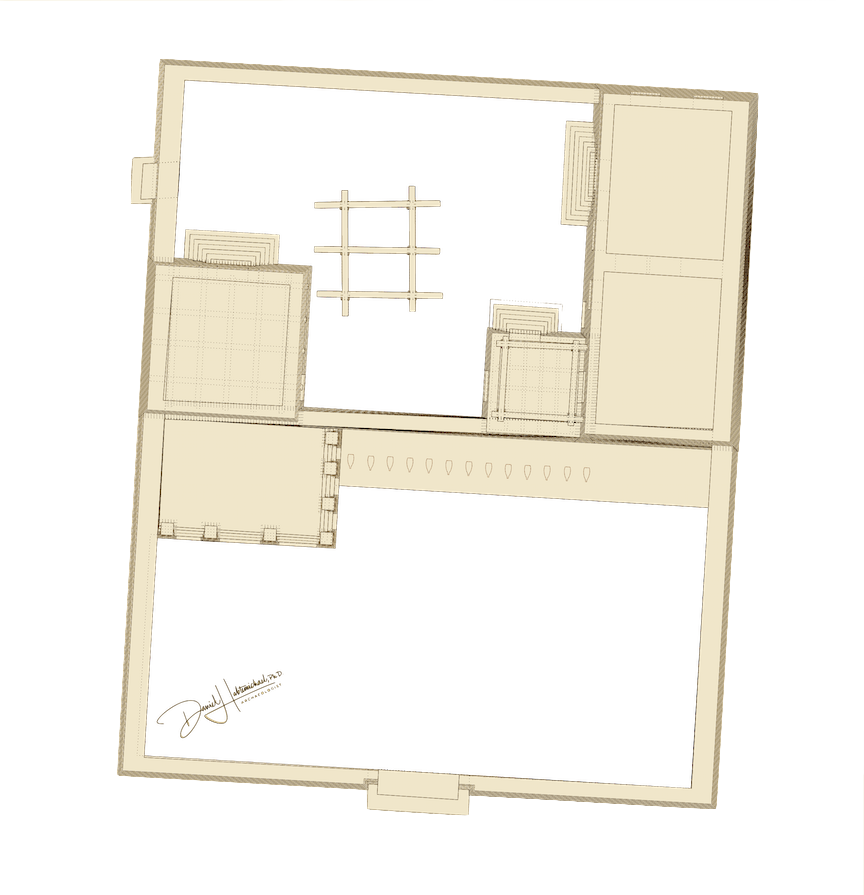
When excavated in 1907 by Paribeni, the southern part bordering the central wall, yielded 13 human remains. These human remains were placed inside Dressell 2-4 amphora. These amphorae were modified in that their tops were cut to accommodate human bones and then sealed.
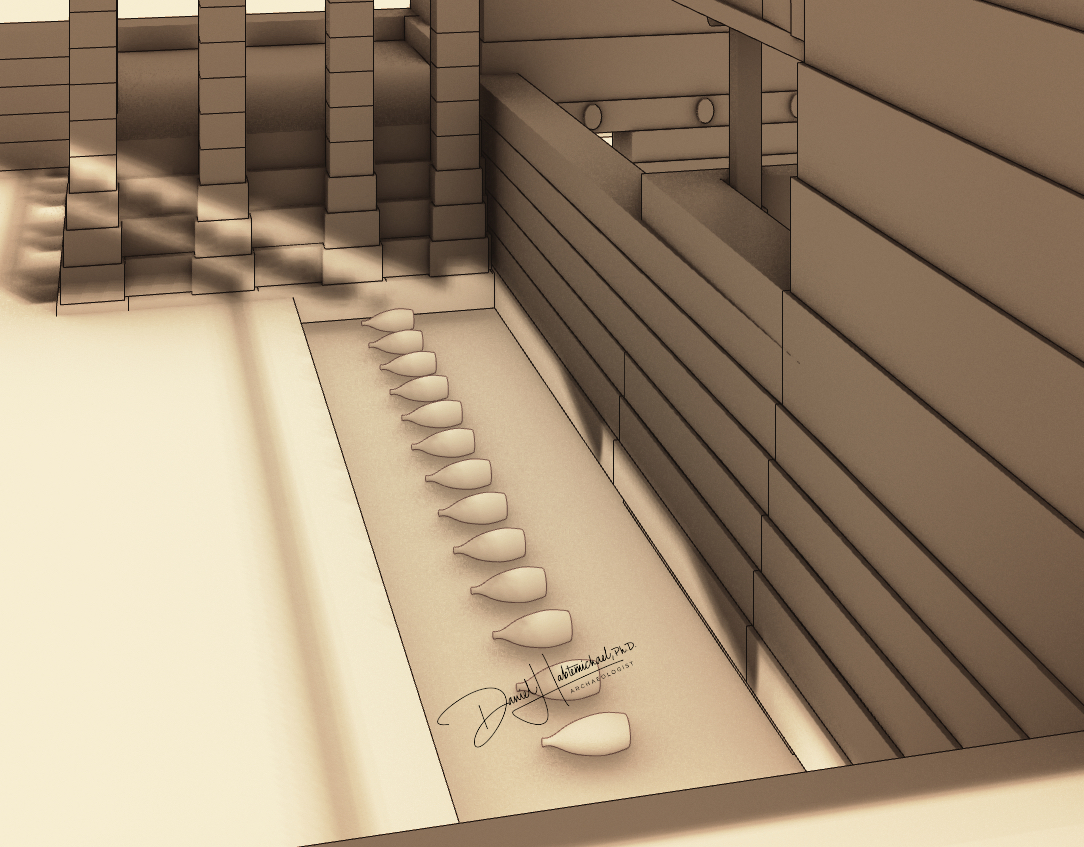
13 human remains in Dressell 2-4 amphoras
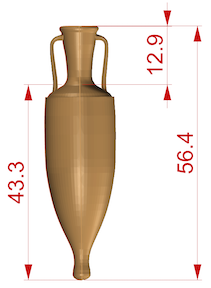
Dressell 2-4 Amphora
It is not clear whether this location is the site of first burial, or whether bones from an original grave were collected and reburied. Future excavation will likely provide more evidence as to how this was practiced. All we caninfer at this point is the time of this practice, which was at least before 79 ACE. The reason is that Dressell 2-4 amphora went out of circulation in the Red Sea after Mount Vesuvius eruption in 79 ACE
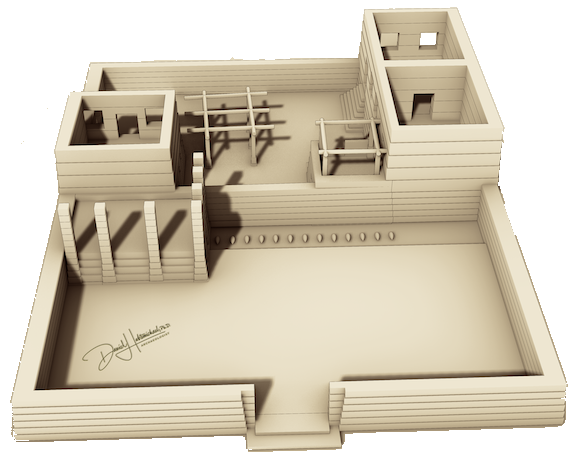
2. Structures at Adulis Burial
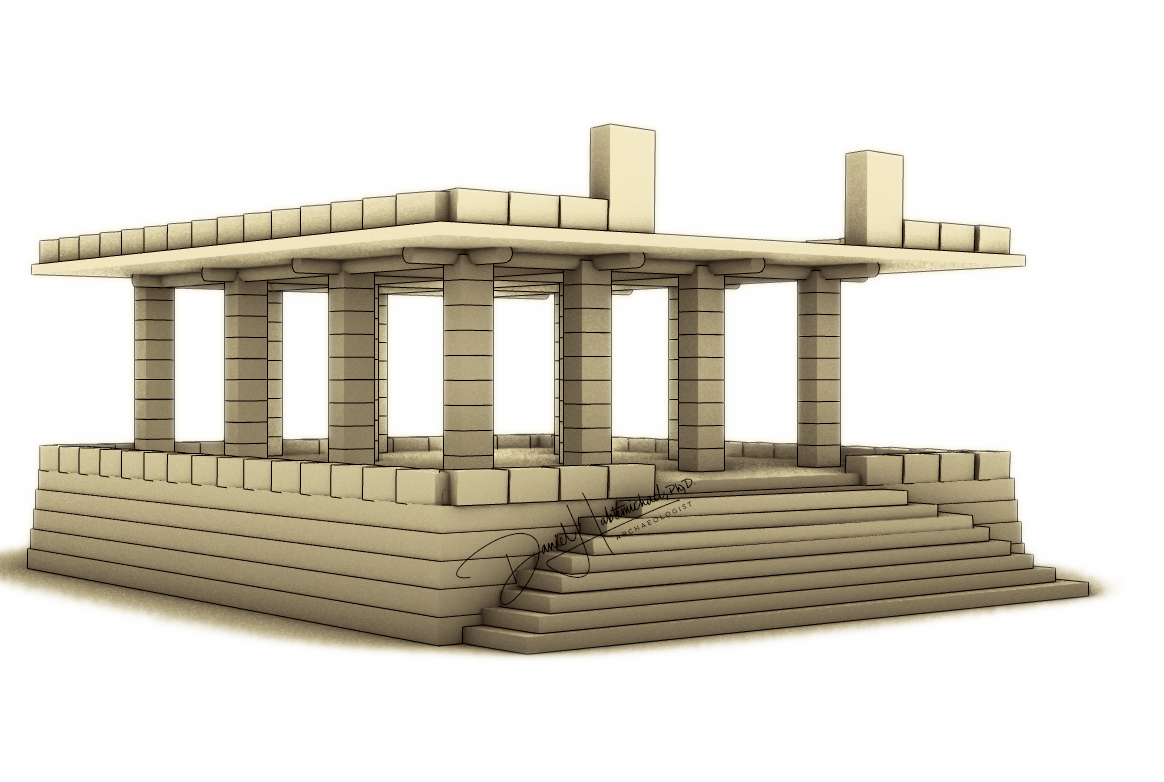
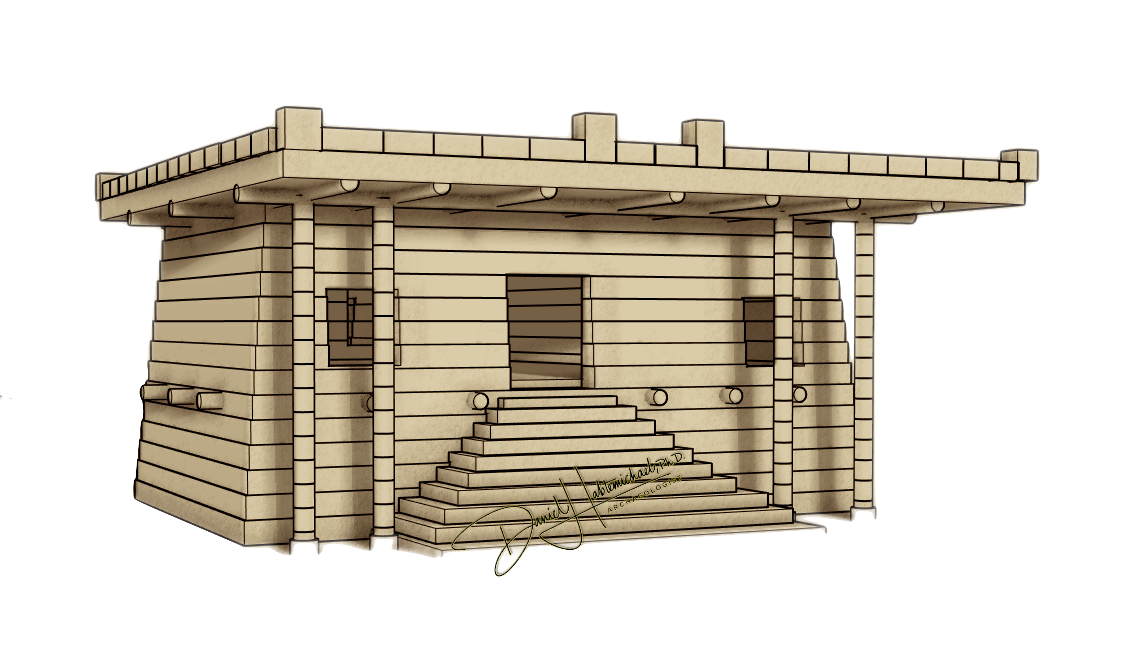
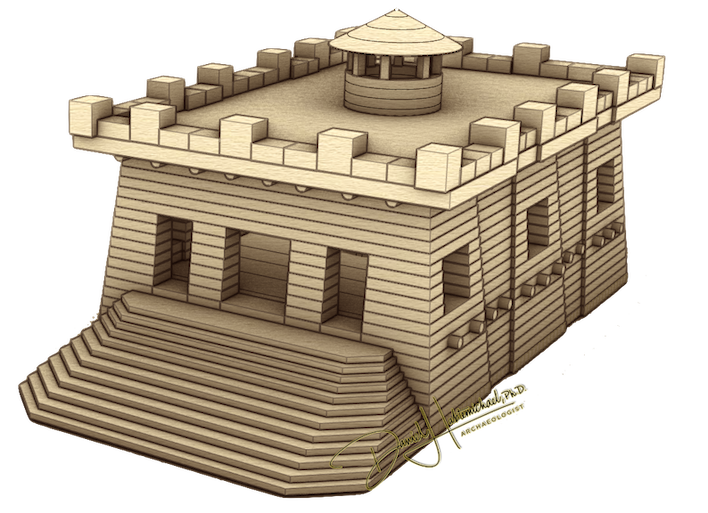
The north part has two rooms on the eastern wall joined by a third that looks to be a balcony. The courtyard of the northern section of Adulis Burial is adorned by six stone pillars. Another structure is also built with a base floor and living floor on theback of the platform on the western wall. It is not definitive whether the northern and southern sections of the structure are one or separate, but it seems more likely one structure based on the short central wall at the center. It is reconstructed to a height of 6 m based on field evidence. Because of this Adulis burial is discussed as one structure. Artifact associations from northern part of the section also support this perspective.