Archaeological Research
15. Adulis Market
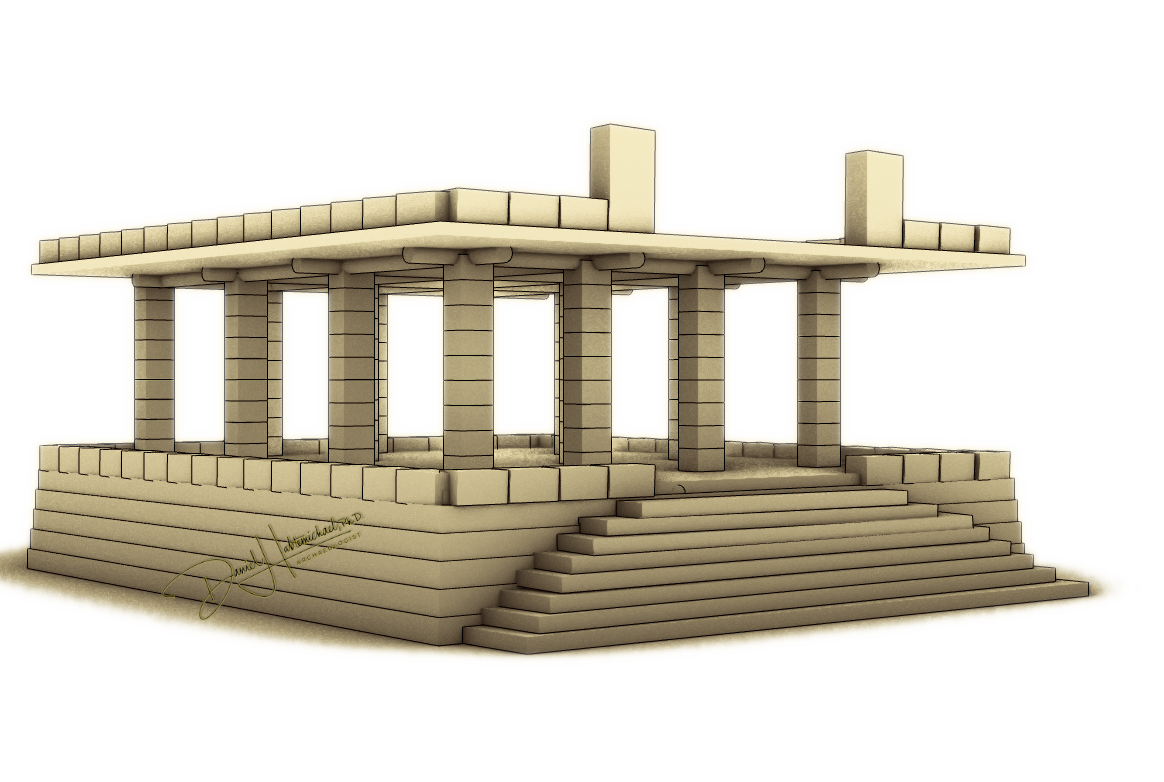
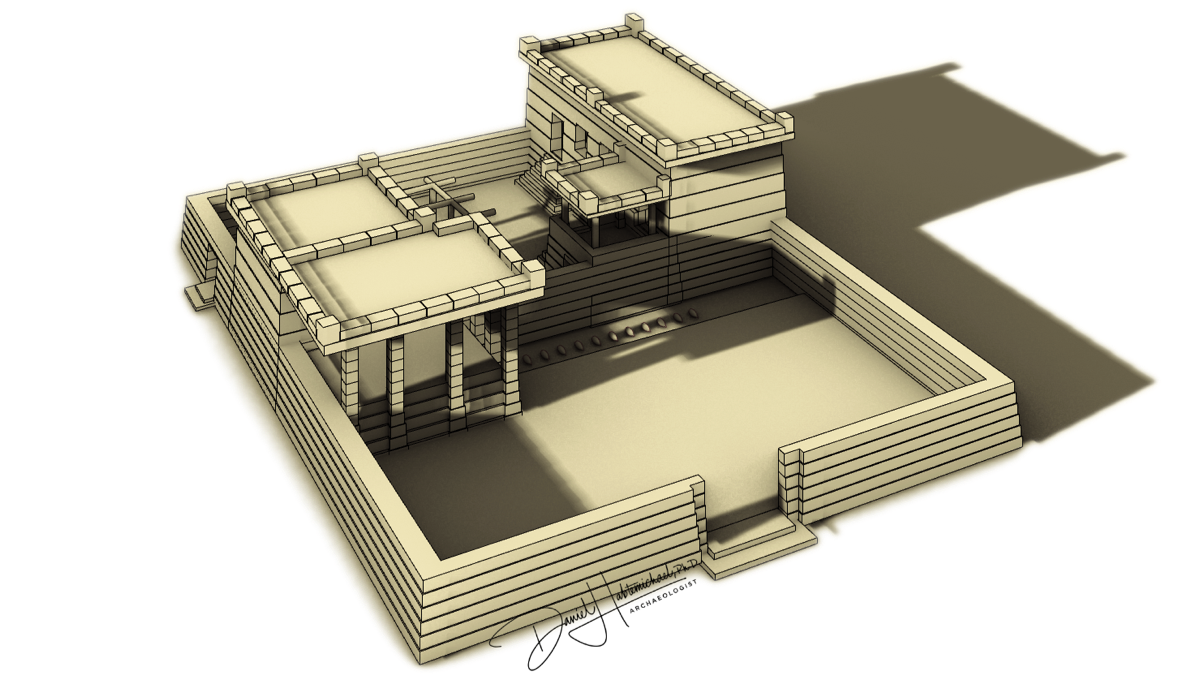
Adulis Market is located in quad C1 on Adulis map. This type of structure is common in most trading centers and those located in an important land or sea trade route. These types of structures are believed to be used as trading posts both by archaeologists and local tradition. At Adulis the building has a base floor and the living floor. The pillars are quite numerous compared to other structures in Kohaito (a site in Southern Eritrea with similar structure). For instance, the columns at Adulis’ Market are laid out in rows of four by four while that of Kohaito are in two by two rows.
1. Plan of Adulis Market
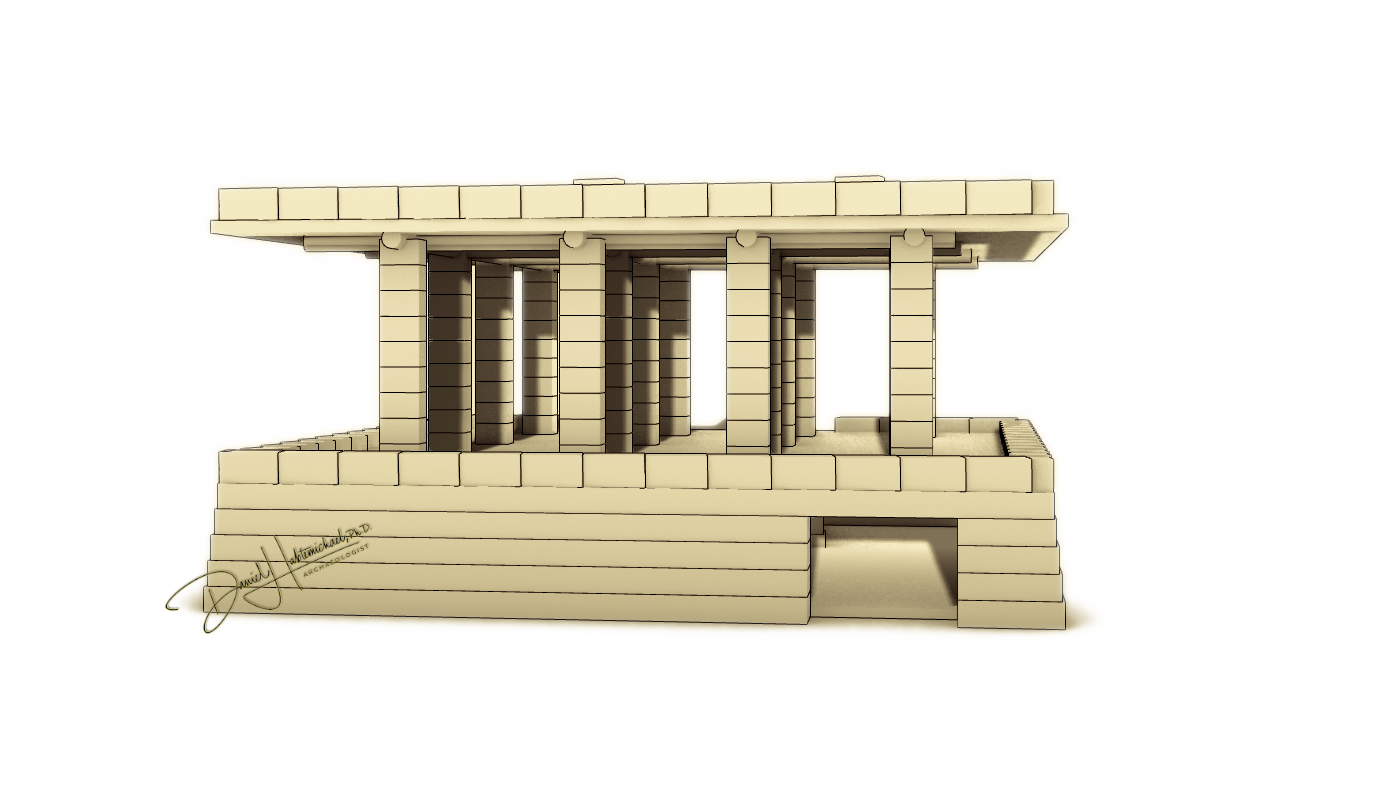
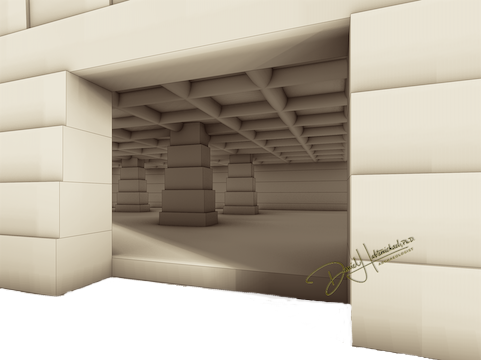
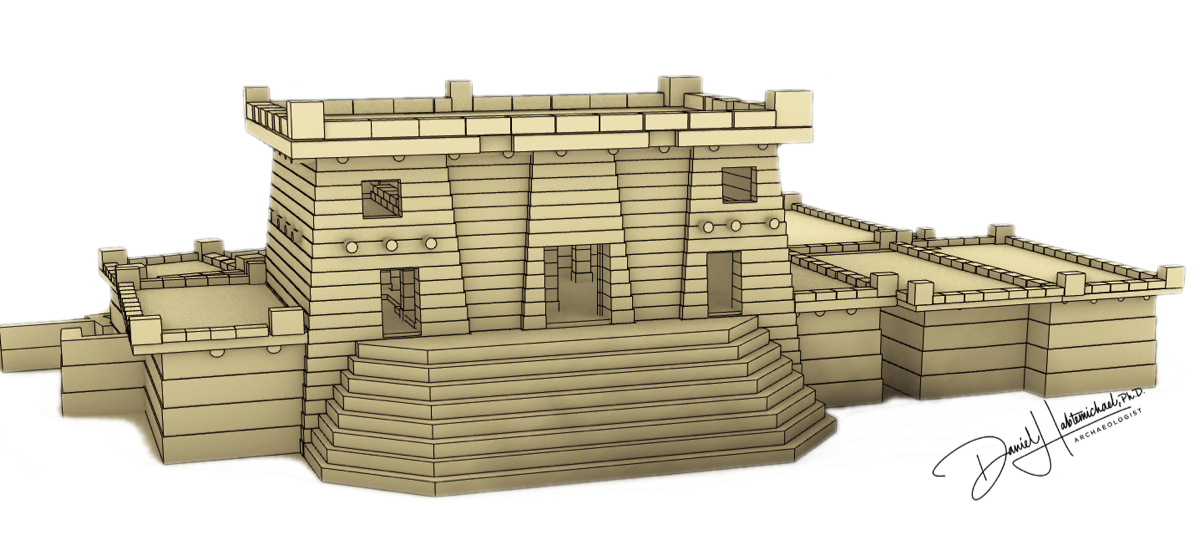
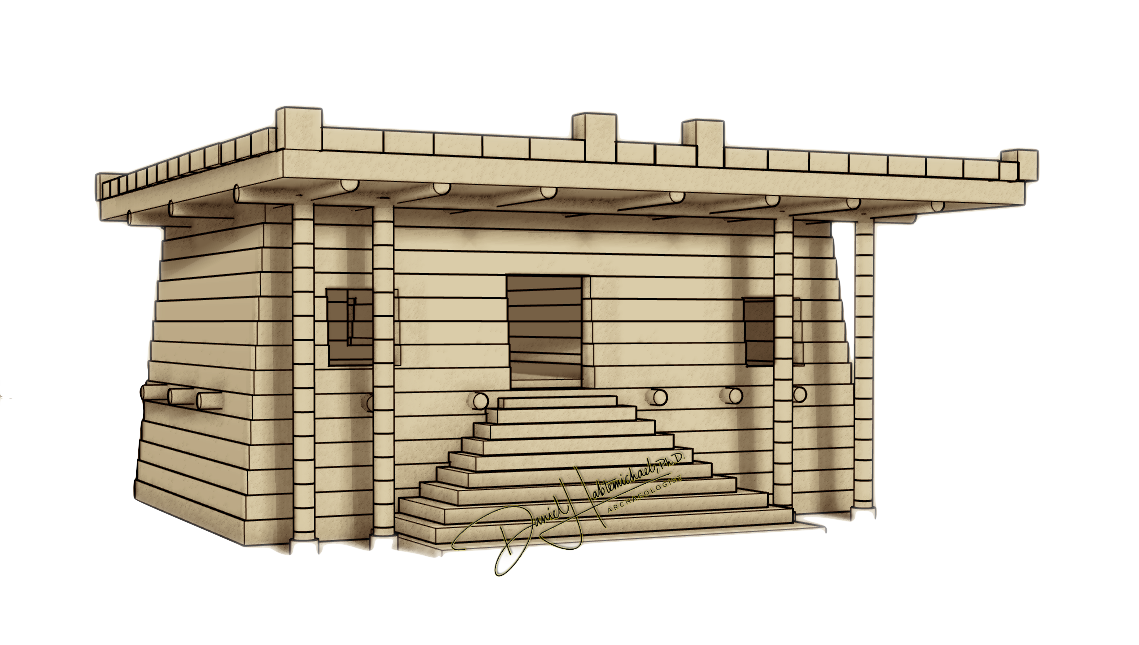
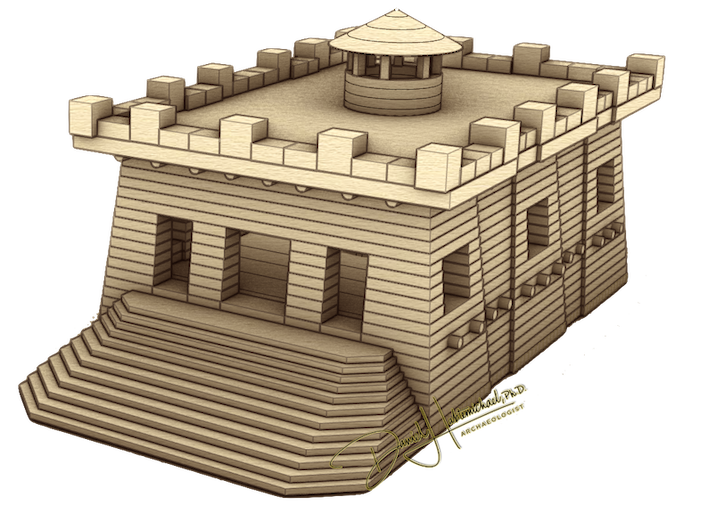
Adulis Market is a rectangular shape 18.12 m by 15.40 m. Four columns made of 5 rectangular cut stones support the living floor (see the picture below). The columns of Adulis Market are constructed by attaching rectangular stones by a hole through the middle.
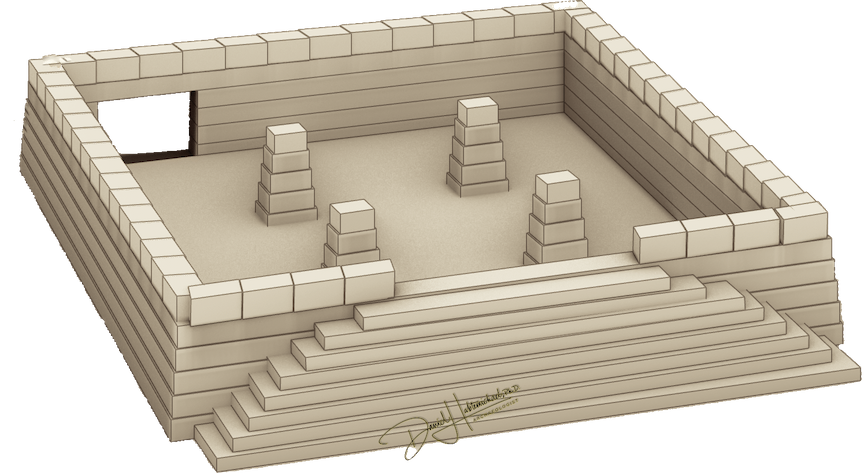
The hole can be circular or rectangular, and in the case of Adulis Market building, it is rectangular. Then each rectangular stone is secured in place by hammering the top rectangular stone in the middle, making a slot for the lower part of the last rectangular stone to be placed. Thus another stone runs in the middle of the four rectangular stones to secure them in place. On the outside, each rectangular stone is slightly smaller than the lower one creating visual parallelism of Graduated Masonry (see the picture above).
2. Building details of Adulis Market
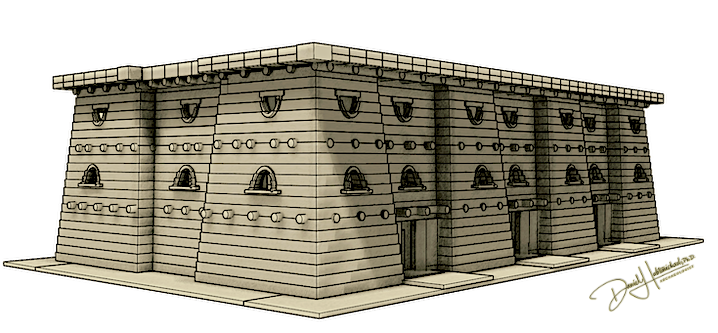
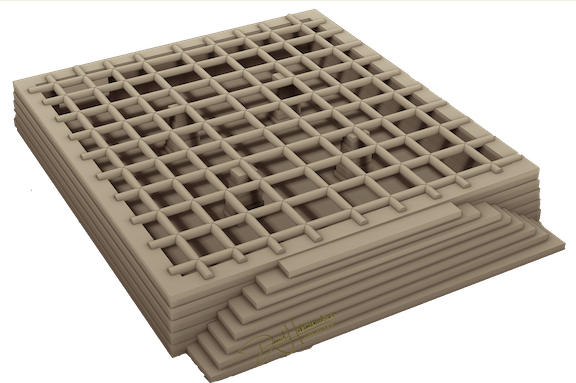
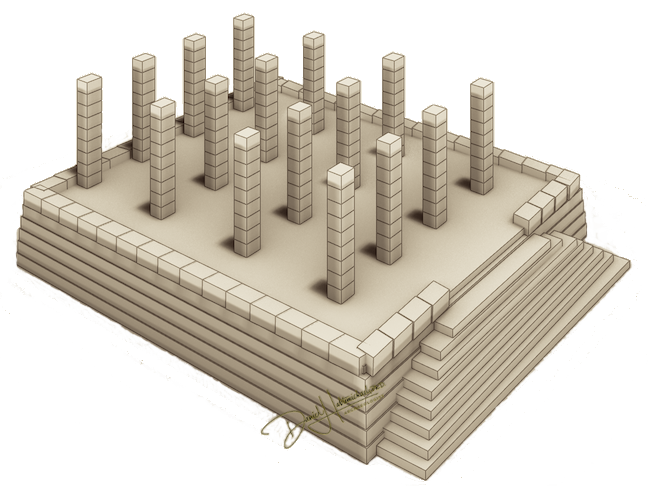
The base walls are constructed up to 2.5 m. Beams supported by four walls and the four columns on the base floor spread the weight of the living floor. The base floor has a large door on the southern wall, a door 2.79 m wide and 2 m high, suggesting storage functionality with transport animals with loads readily accessible (see the last two pictures). On the Northern wall, eight stair slabs rise to the living floor each subsequent slab with slightly reduced size than the previous one (see the first picture). The living floor has a retaining wall of rectangular cut stone surrounding the edges. Then the 16 columns of rectangular stones populate the living floor. The beams that tie these columns on the top end complete the building, such that it has a roof with retaining stones (see picture below).