Archaeological Research
6. Temple B
1. Plan of Temple B
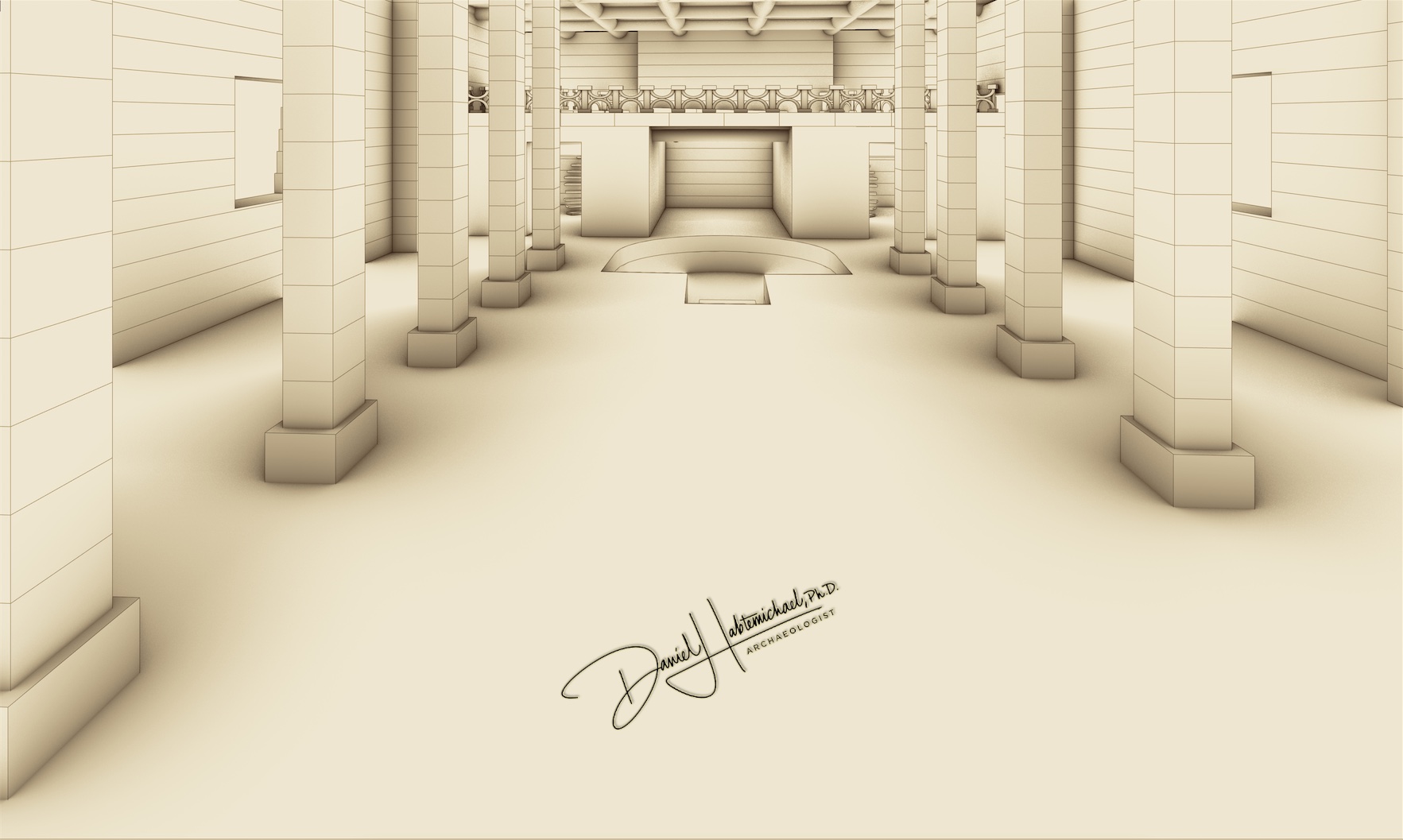
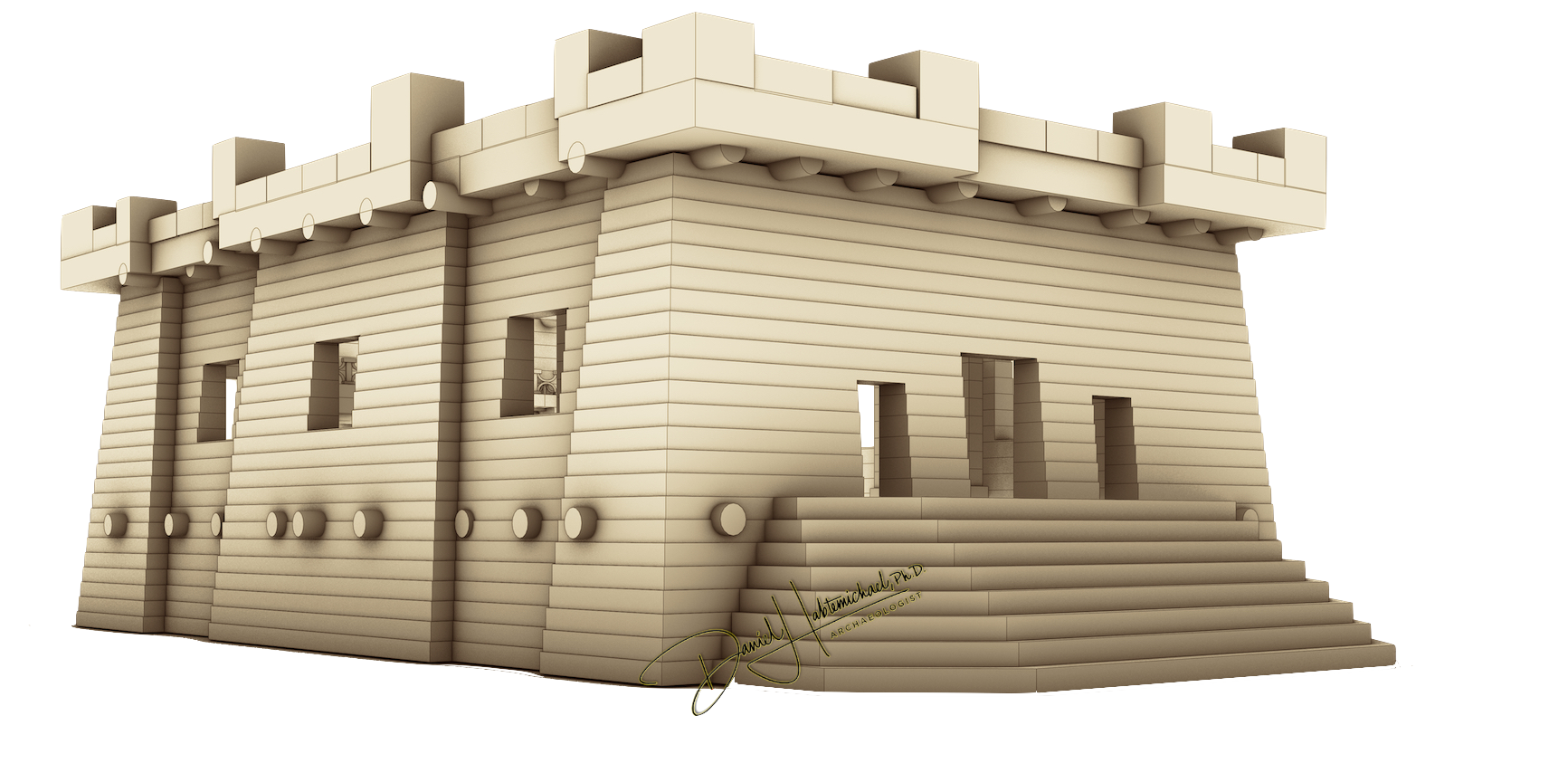
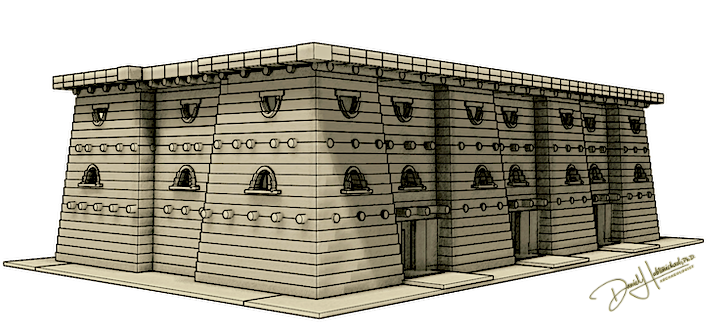
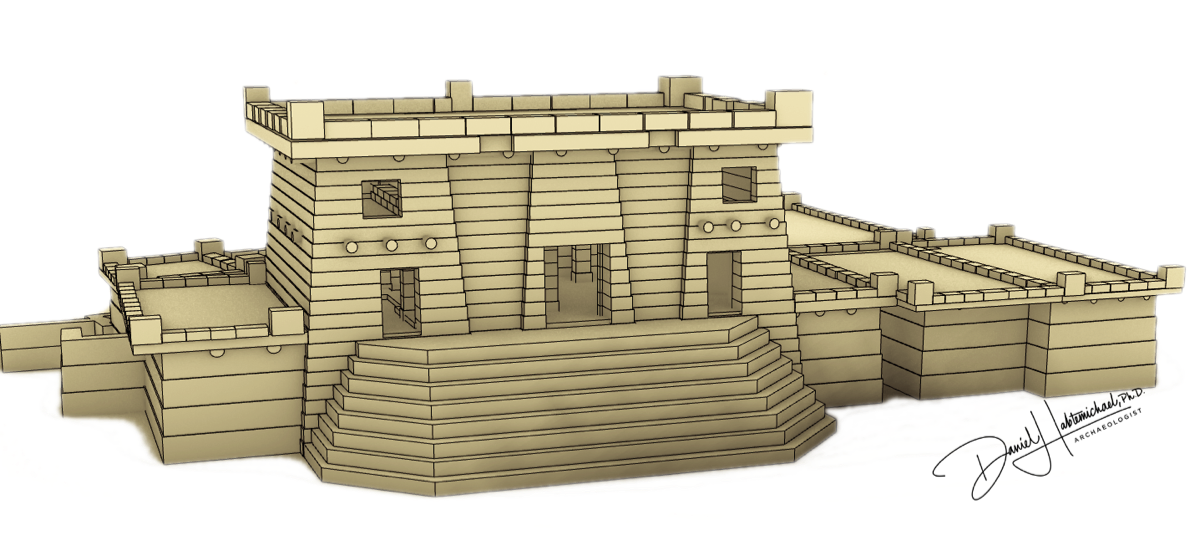
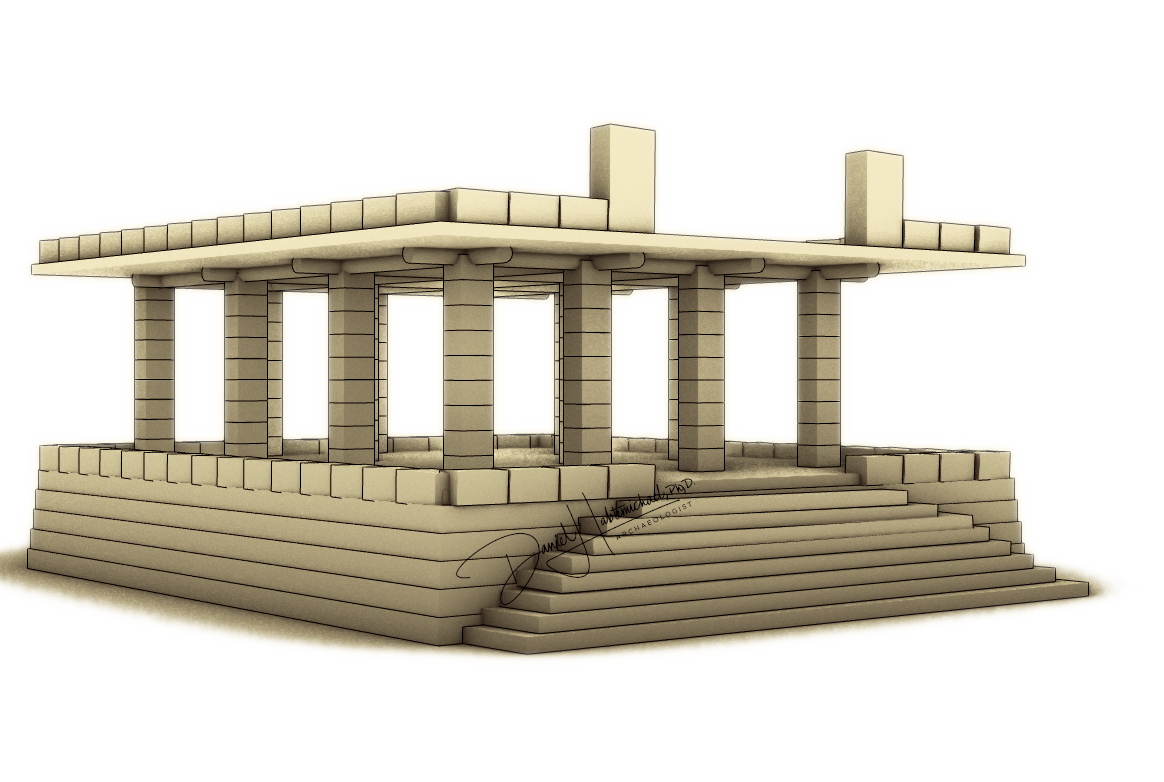
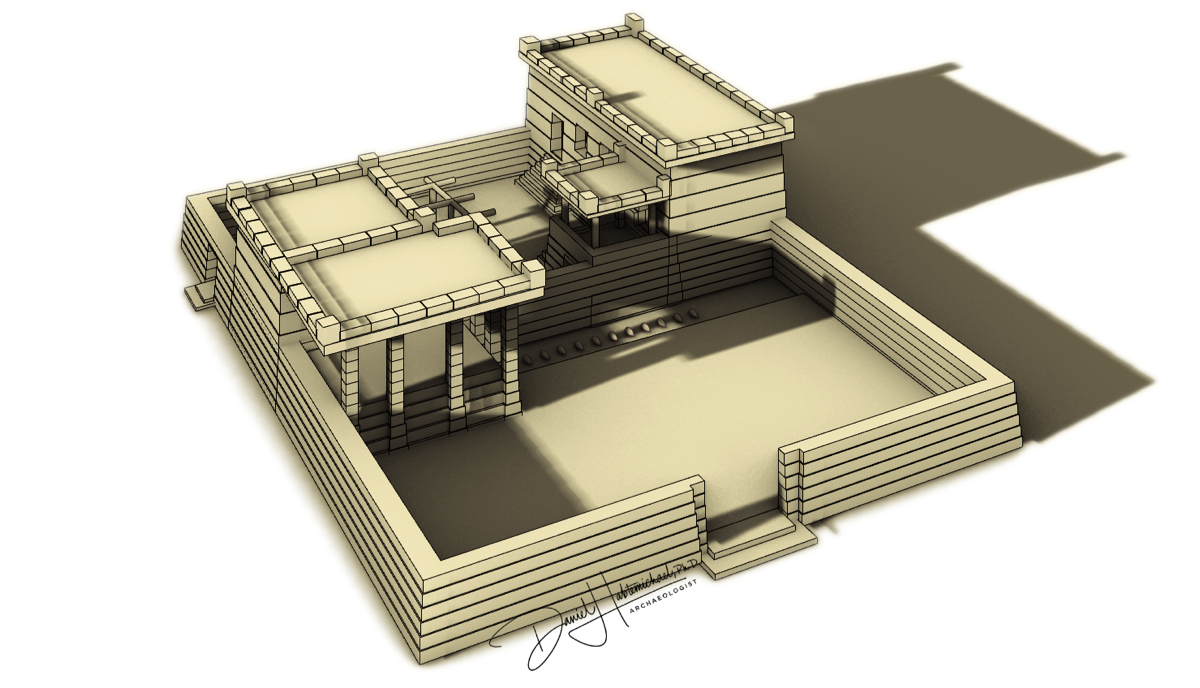
Temple B is located at quad C5. It is 34.02 m long by 21.70 m wide. Temple B was excavated in 1868 by British soldiers during the Napier Expedition. The Napier Expedition was a military mission by the British Empire against Emperor Tedros II. The invading British soldiers were stationed close to Adulis to prepare for the highland mission, and the British Museum sent a cultural attaché, Holmes, to bring cultural material from Abyssinia. The notes and excavation reports from this expedition are housed at the British Museum. This reconstruction is based on these reports and my fieldwork at Adulis. It has two rows of five columns and a baptismal apse with two sacristies on the east side with stairs.
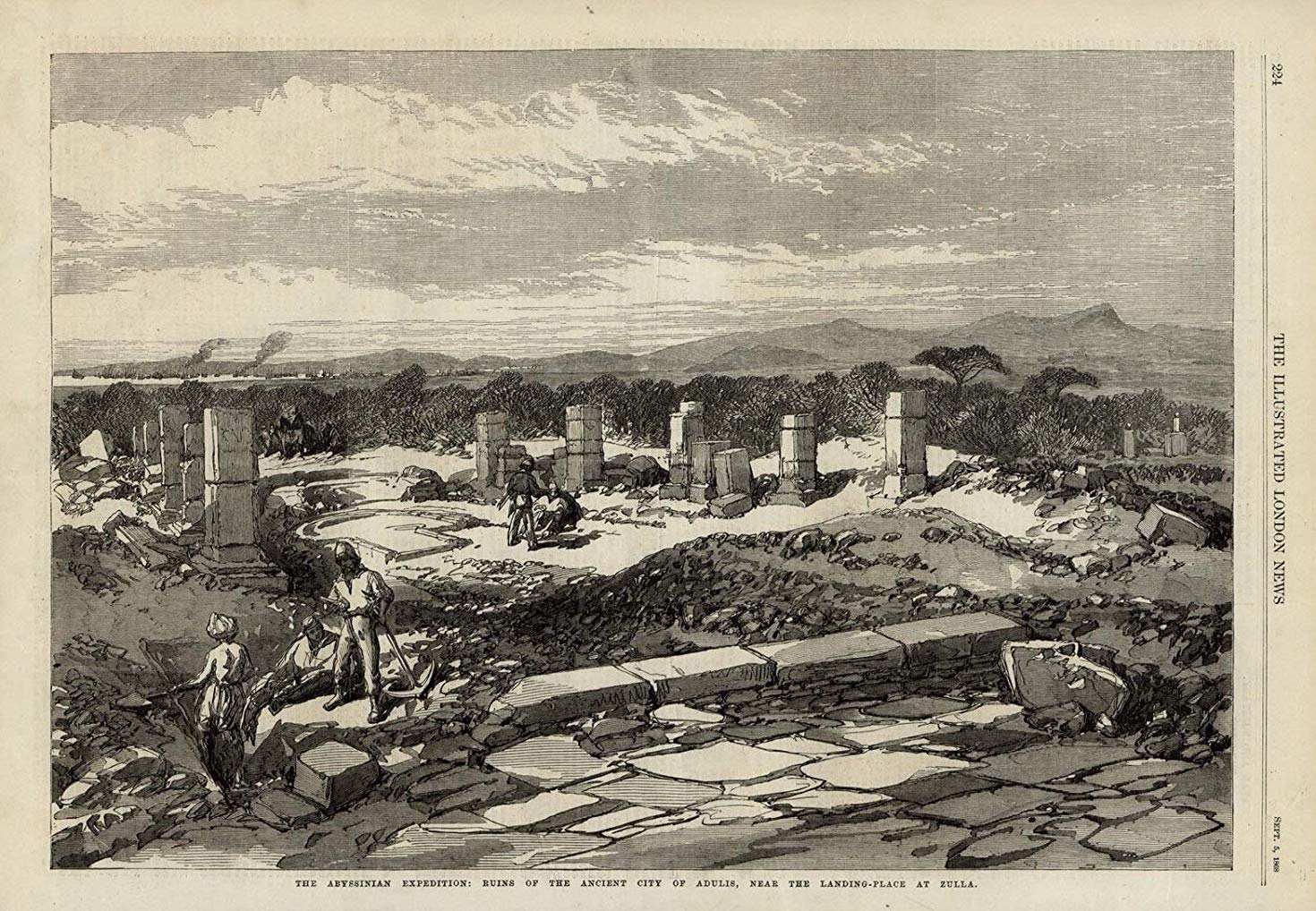
1868 Illustrated London times publication of Temple B
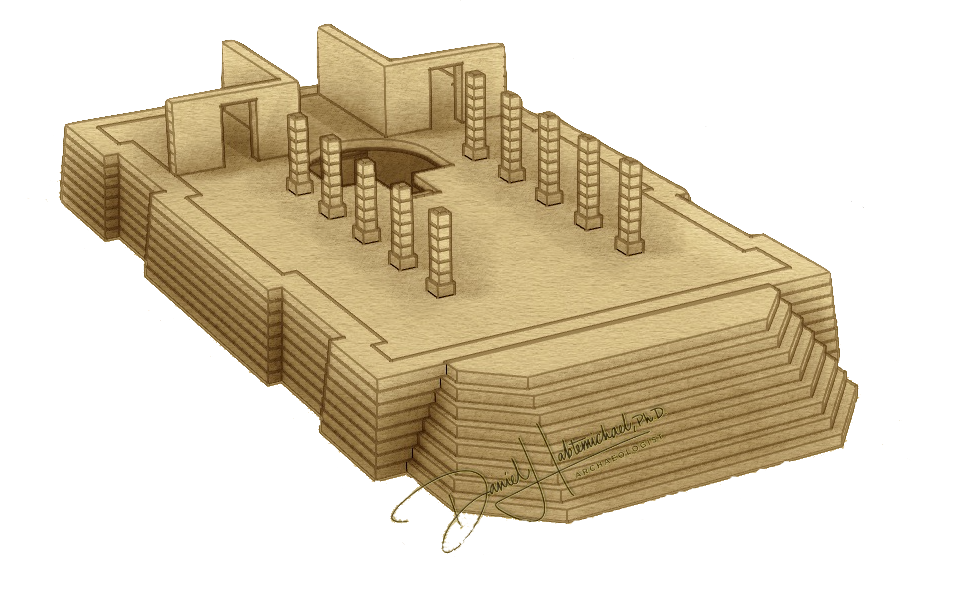
Temple B Interrior
Hexagonally cut slabs for stairs on the western side of the building give this built form an impressive look. While the Court House and Temple A were positioned along the North-South axis, suggesting pre-Christian religion/ideology the above building and Temple C were lined toward an East-West axis consistent with early Christian churches practices.For instance, the earliest Christian churches in Rome Christians prayed facing east the same as Jews in the West did facing Jerusalem. These two churches at Adulis that are consistent with such early practices of Christianity point out the early arrival of Christianity
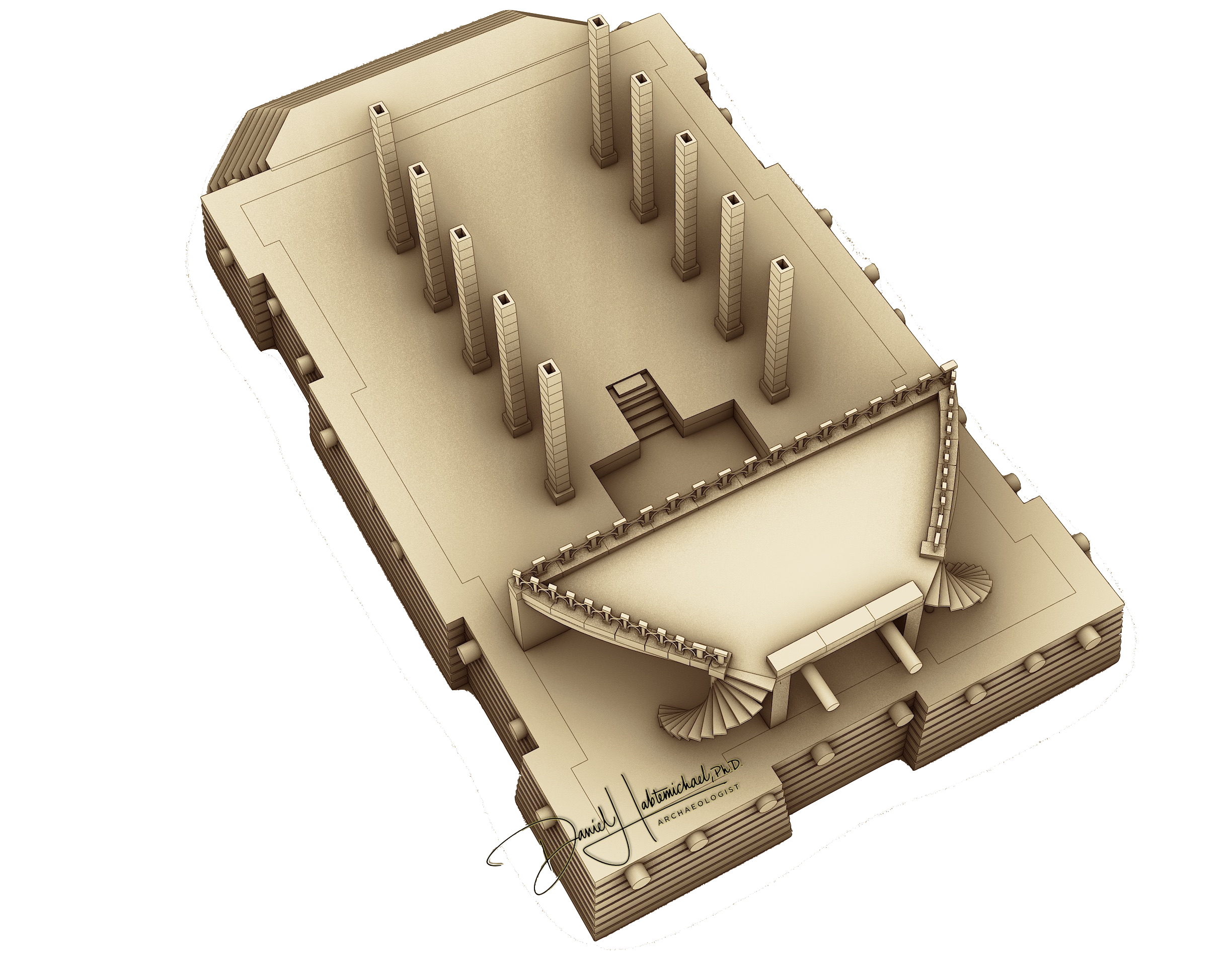
Pulpit Stairs and pulpit decoration
Constructing stairs in narrow spaces usually is implemented with a single pole or column, blocks of wood with one side attached to the pole or column and the other side is dented into the wall
2. Structures at Temple B
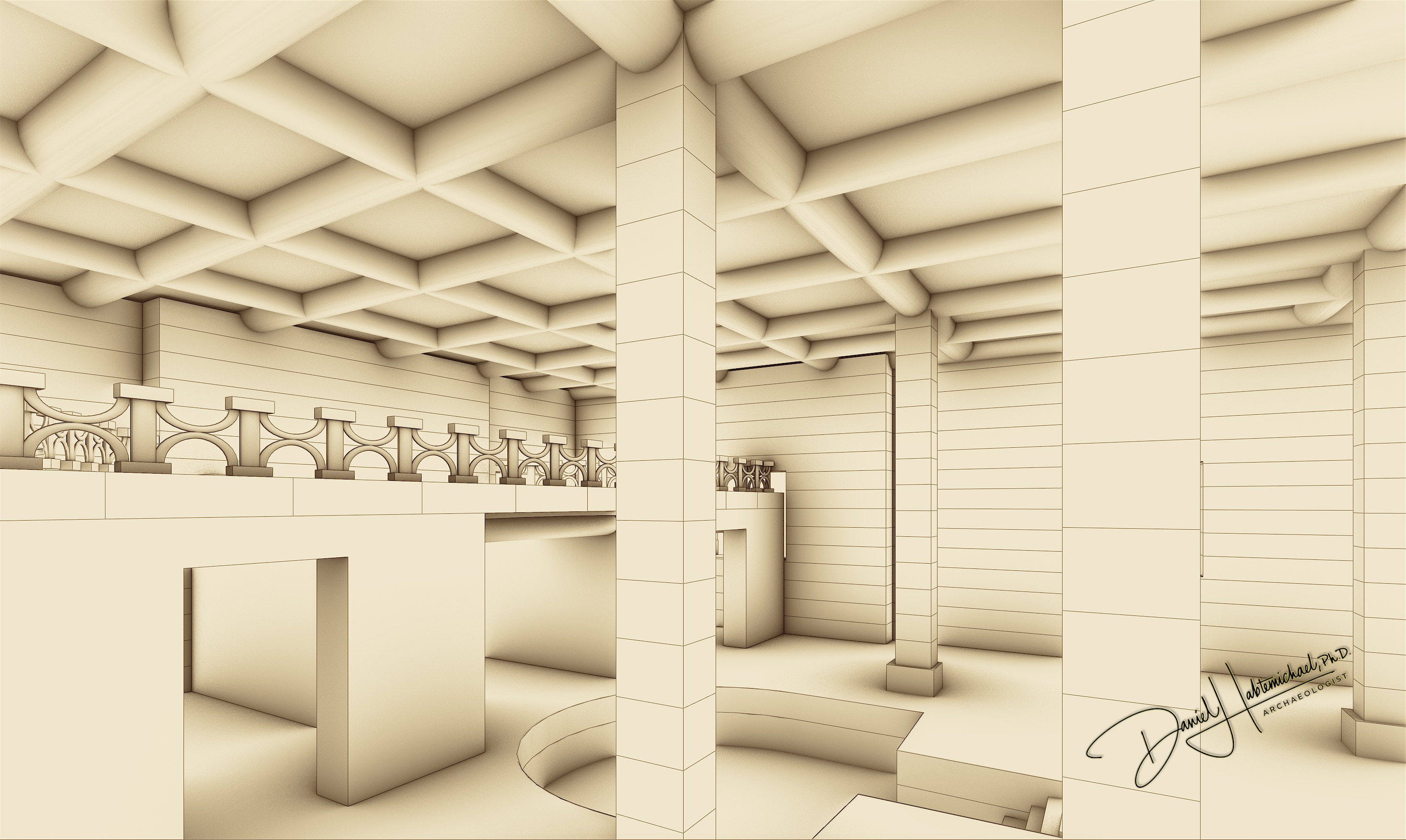
Internal detail of Temple B
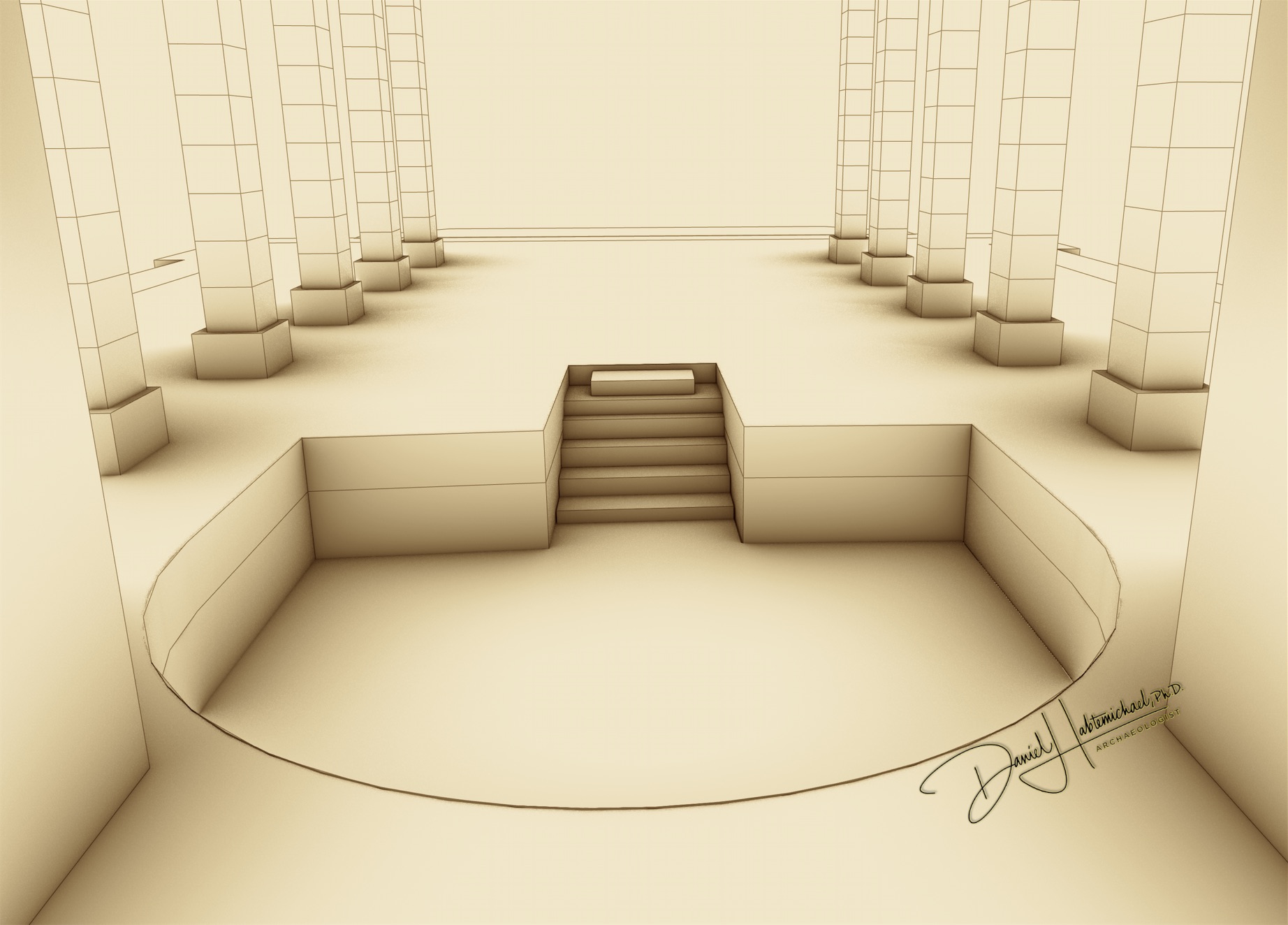
Baptismal tub with stairs
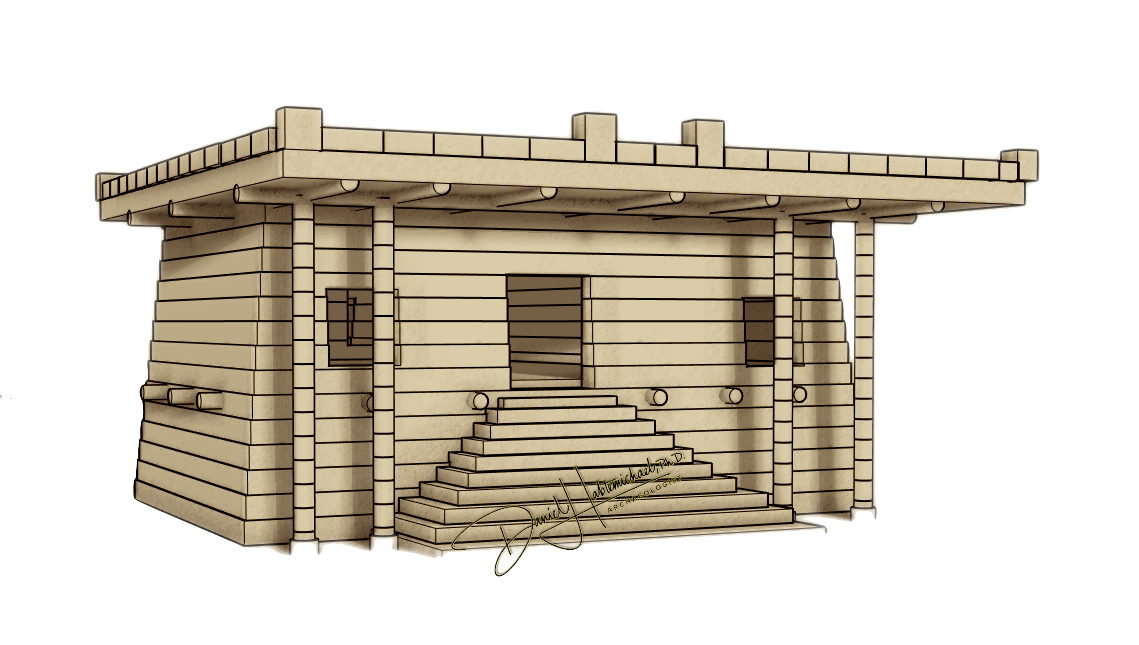
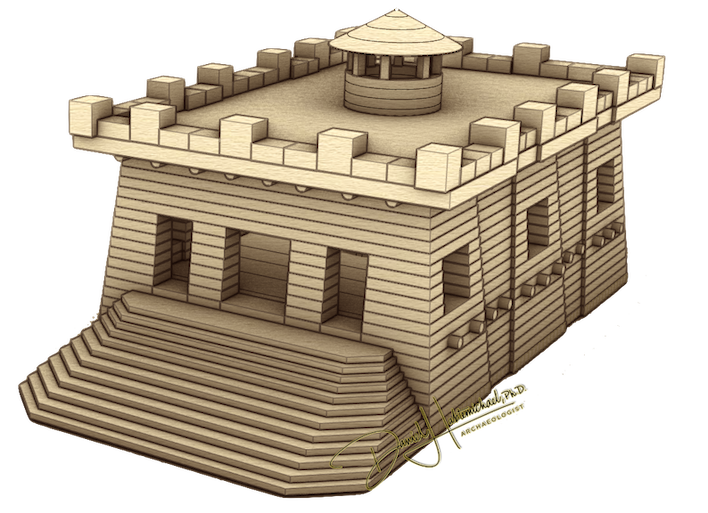
There are five stairs that descend to the baptismal tub. It is not clear what mechanisms were used to hold water on this tub, most likely one giant cut stone or perhaps a hole in the ground plastered with water retaining plasters.Although there is an alignment difference between Temple B and other public buildings in Adulis the masonry type and the symbology is consistent with other buildings at the site. Three doors are accommodated at the top of the stairs. This built form has thick walls. Structural detail suggests a second floor. More research is needed on this building.